Programs, beneficiaries, and grants: modeling the half of your data that isn't fundraising
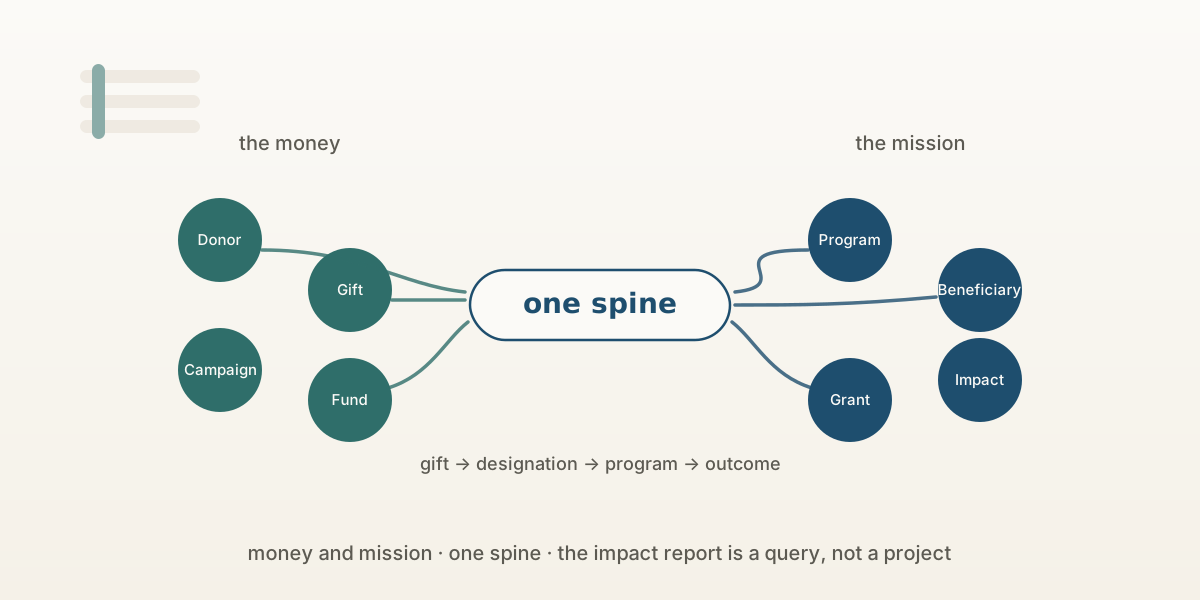
Programs, beneficiaries, grants, and impact belong in the same data model as gifts. Connecting money to mission starts with one shared spine. Here's how.
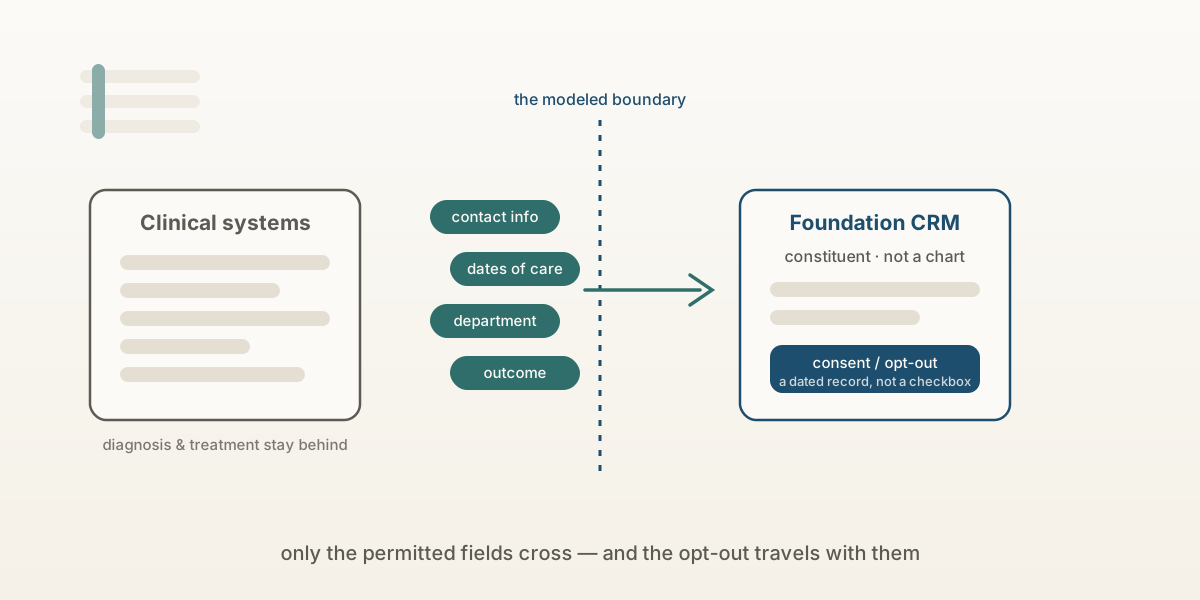
HIPAA allows grateful patient fundraising with a limited data set and a required opt-out. Here's how to model that boundary so you can prove it's respected.
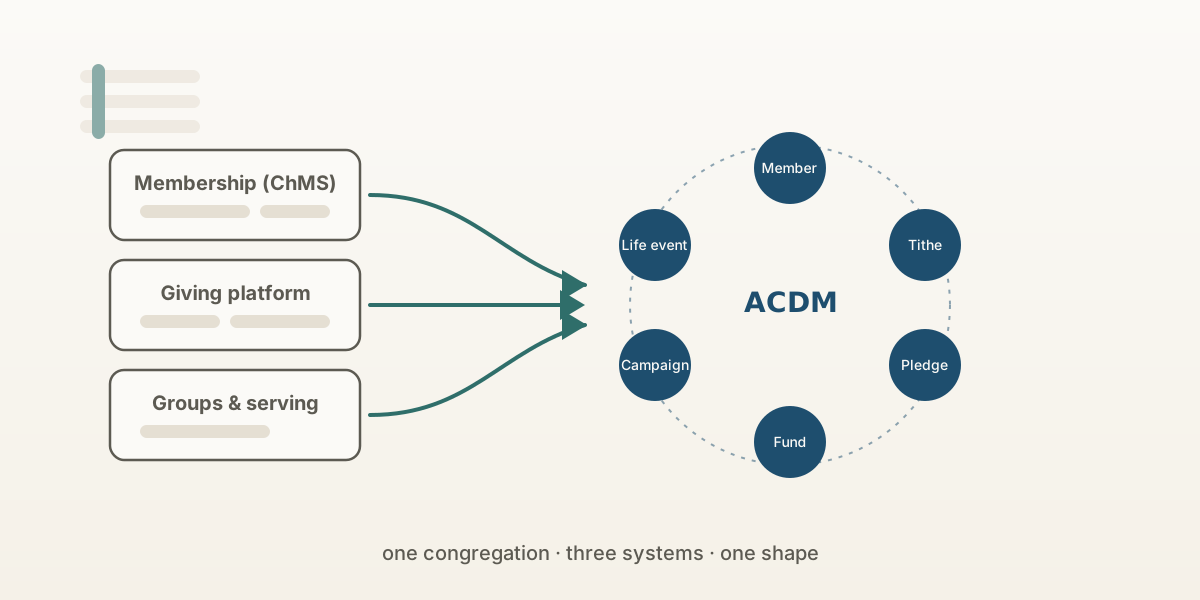
Yes, church giving maps to a common data model: members are constituents, tithes are gifts, pledge campaigns are commitments. Here's the full crosswalk.
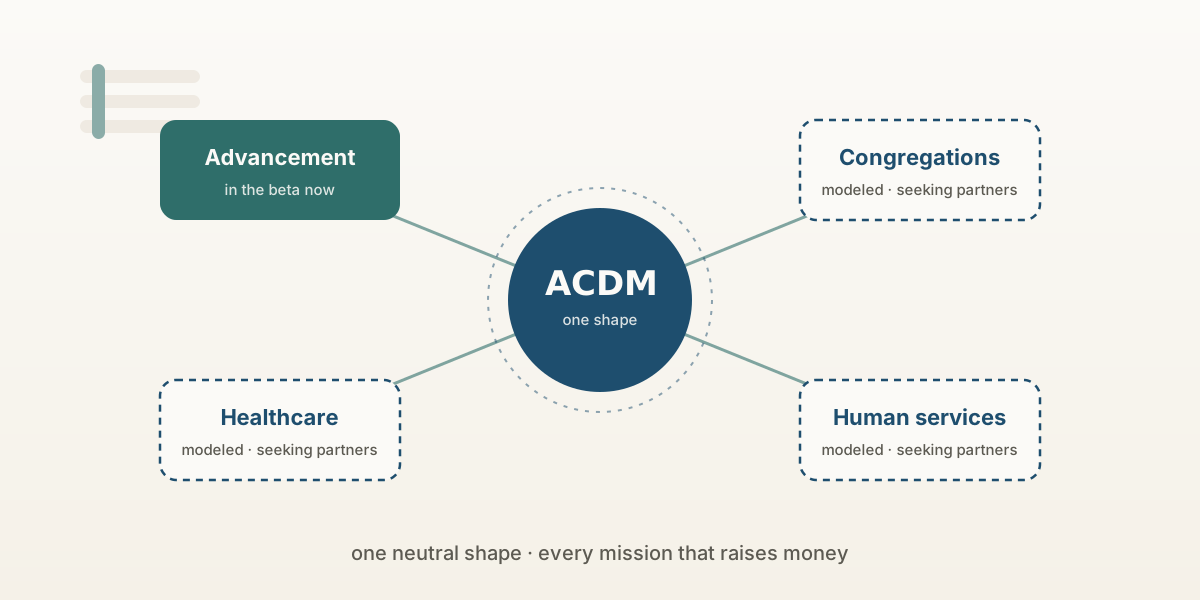
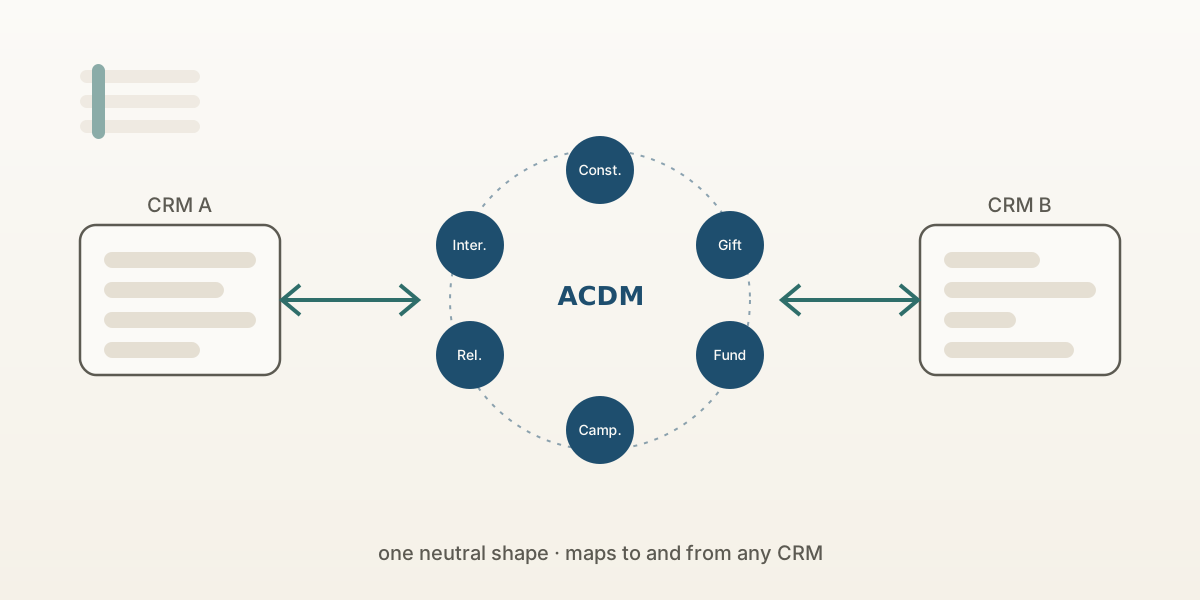
ACDM is for any organization that raises money: advancement shops in the beta today, with churches, hospitals, and human-services nonprofits designed in.
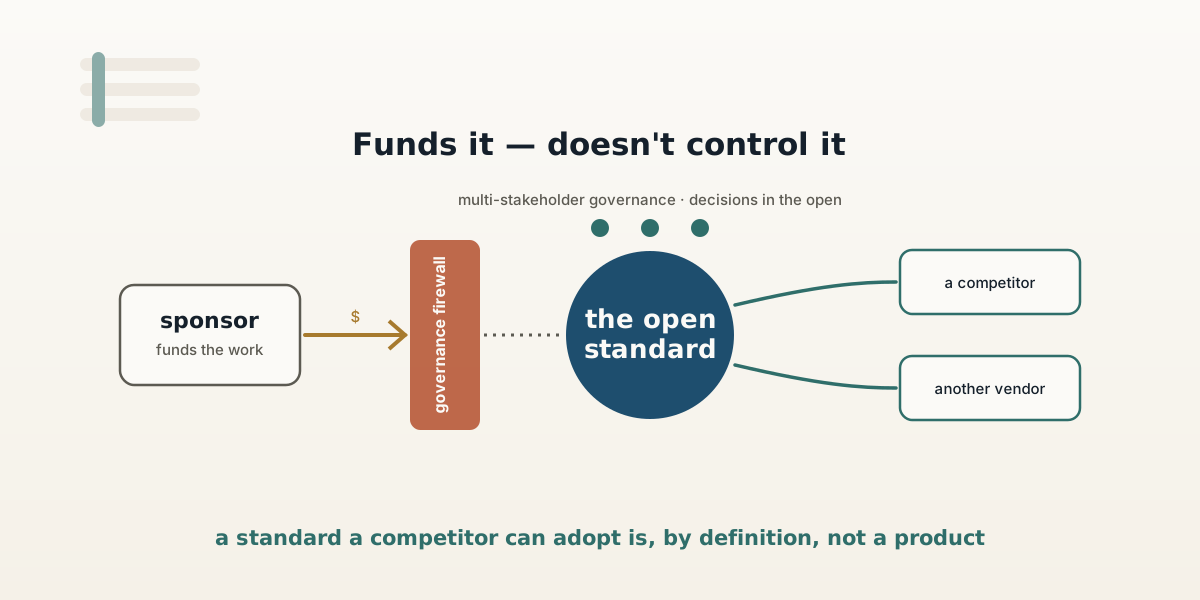
A data standard stewarded by a vendor is only as good as its governance. Here is how we build a firewall between funding and decision-making.
Why would a CRM vendor or consultant build to a standard funded by their competitor? Because standardizing reduces integration costs and builds trust.
You don't need Rigason to benefit from the Advancement Common Data Model. Here is how to build a vendor-neutral data layer on top of Salesforce or Dynamics.
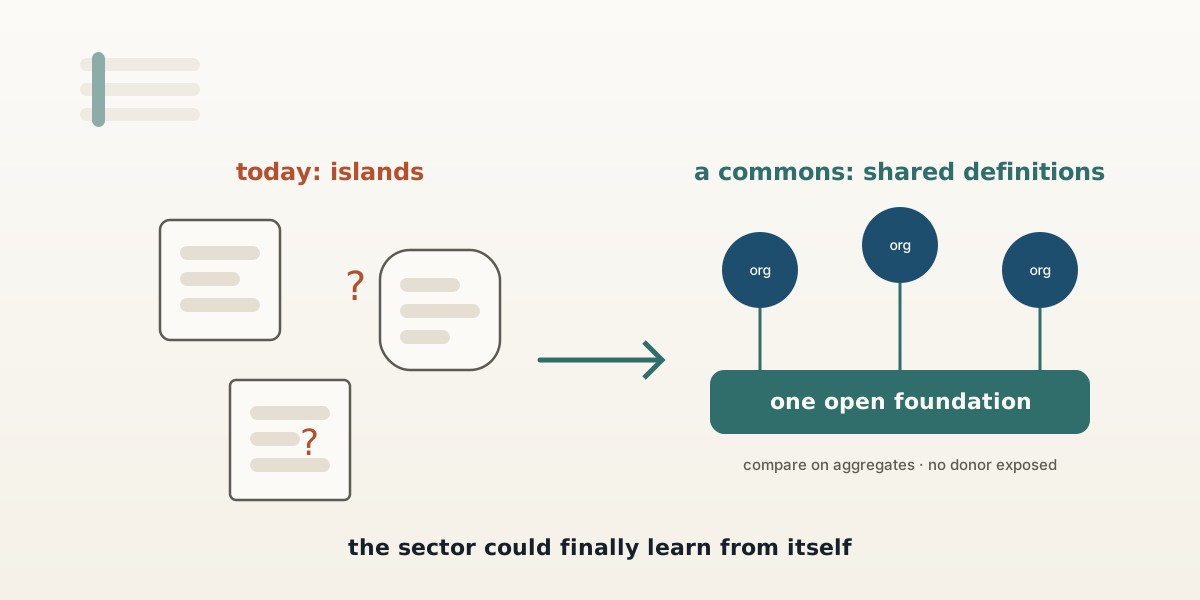
Nonprofits can't benchmark against each other because data is trapped twice over and comparing has meant exposing donors. A commons changes both. Here's the whole argument.
Can a data standard funded by a vendor really be neutral? Yes, if neutrality is built, not claimed: open governance, conformance anyone can earn, and a tested way to leave.
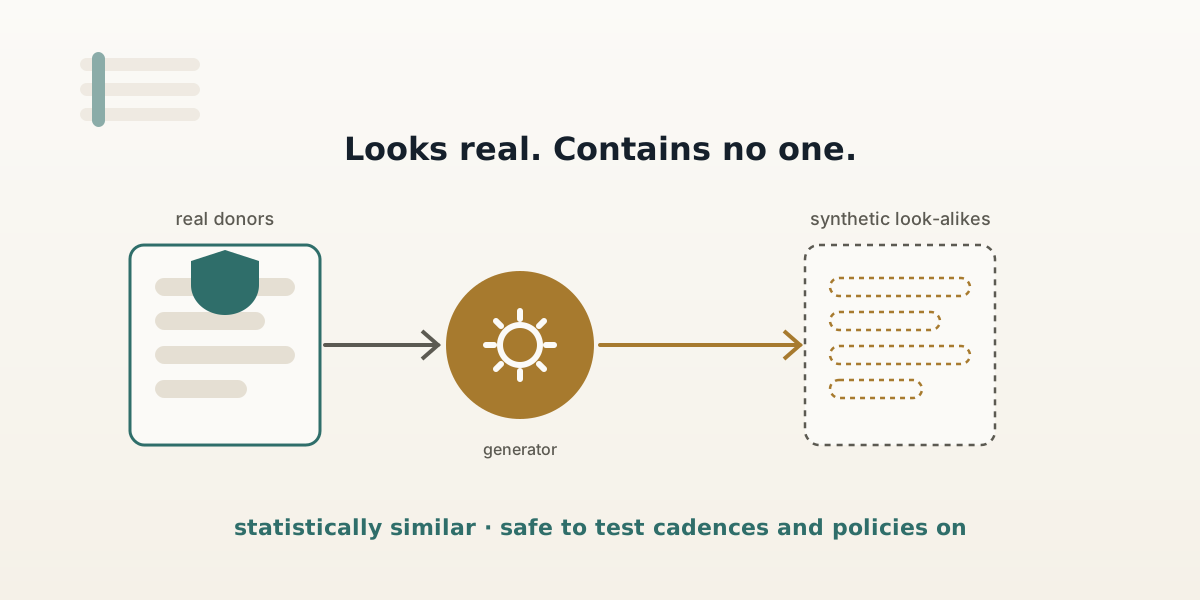
Synthetic donor data is artificial records that mirror your real data's patterns but describe no actual person, so you can test cadences, models, and policies without risk.
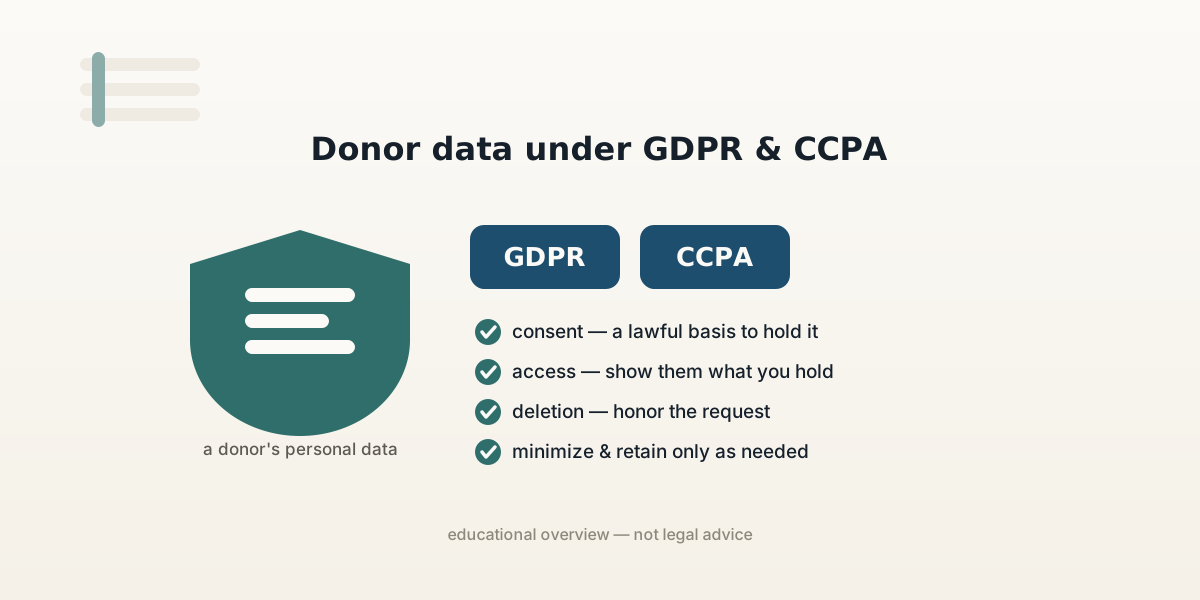
If you hold data about EU/UK or California donors, GDPR and CCPA likely apply wherever your org sits. Here's what advancement teams need to know, in plain terms.
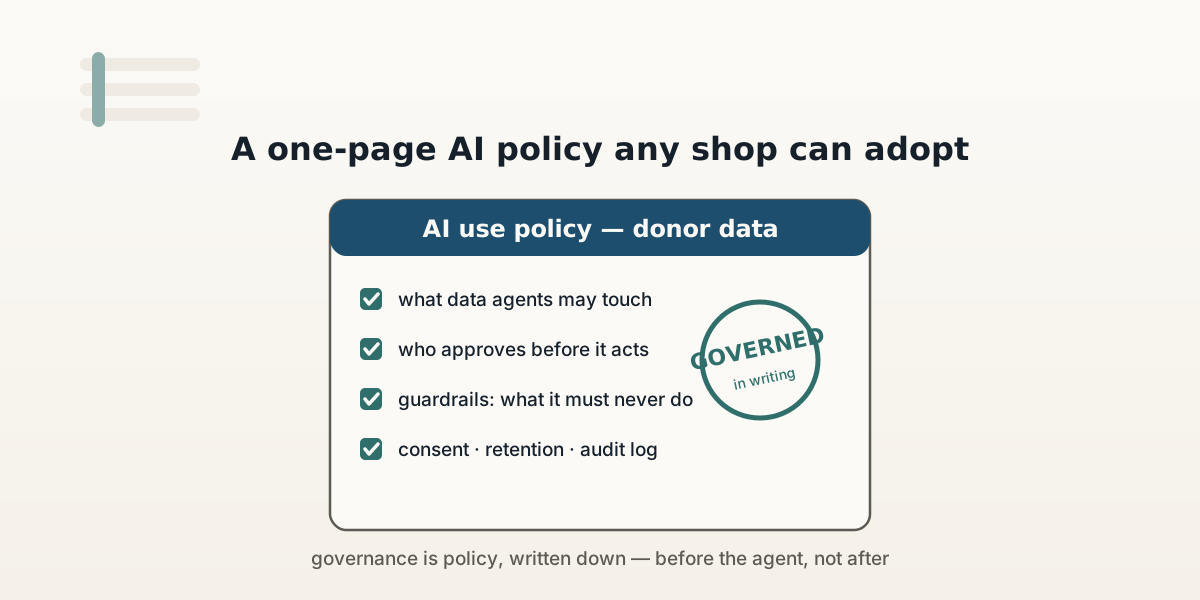
AI governance for donor data doesn't need a legal team. It needs a one-page policy answering a few concrete questions before any AI touches donor records. Here's the template.
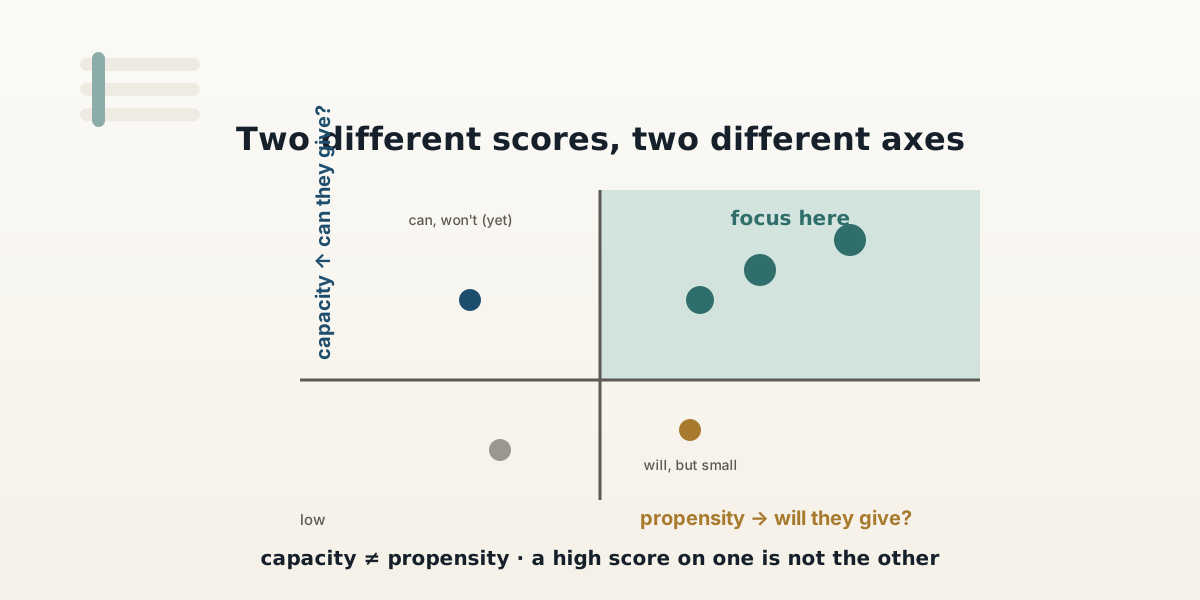
Propensity is how likely someone is to give; capacity is how much they could give. They sit on different axes, and confusing them is the most common scoring mistake. Here's the difference.
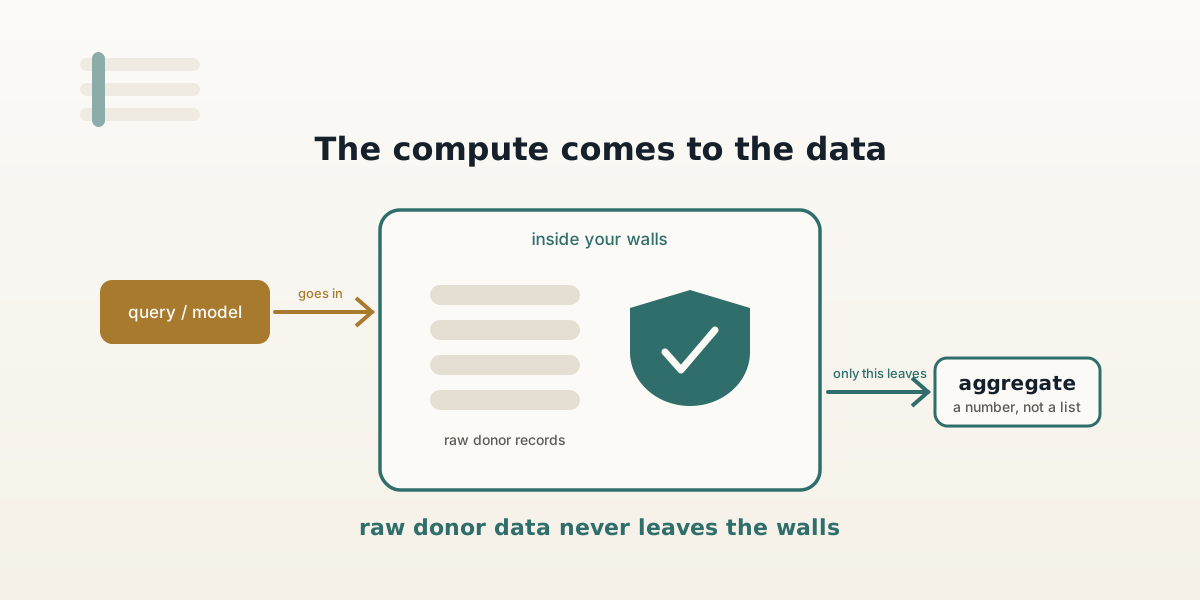
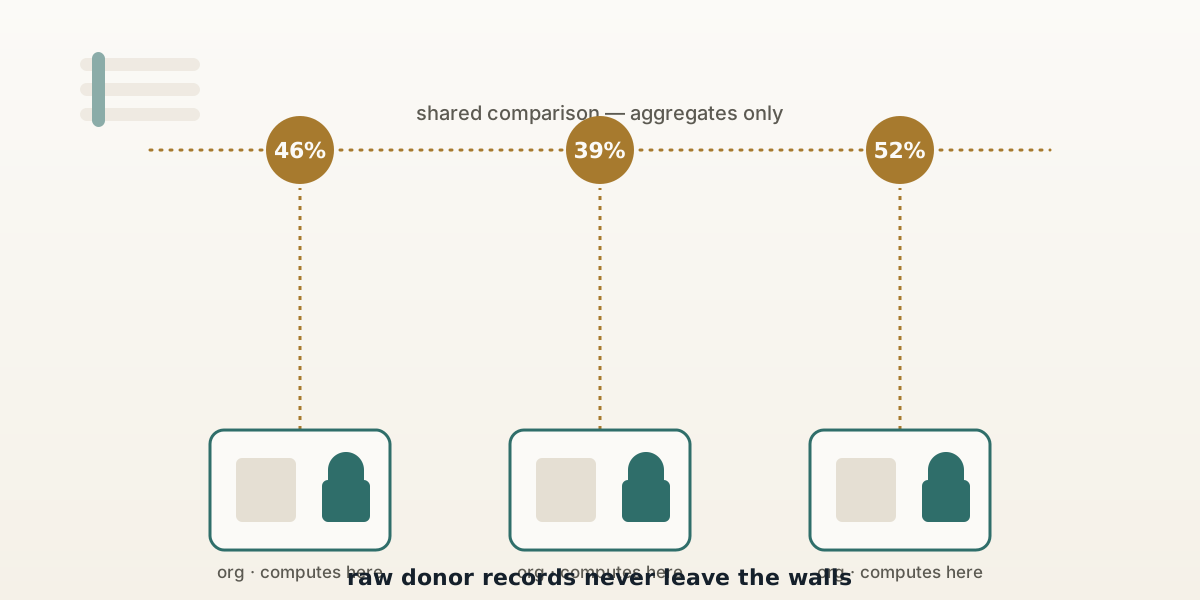
Privacy-preserving analytics sends the computation to your data, not your data to the computation. Only aggregates leave; raw donor records stay inside. Here's how it works.
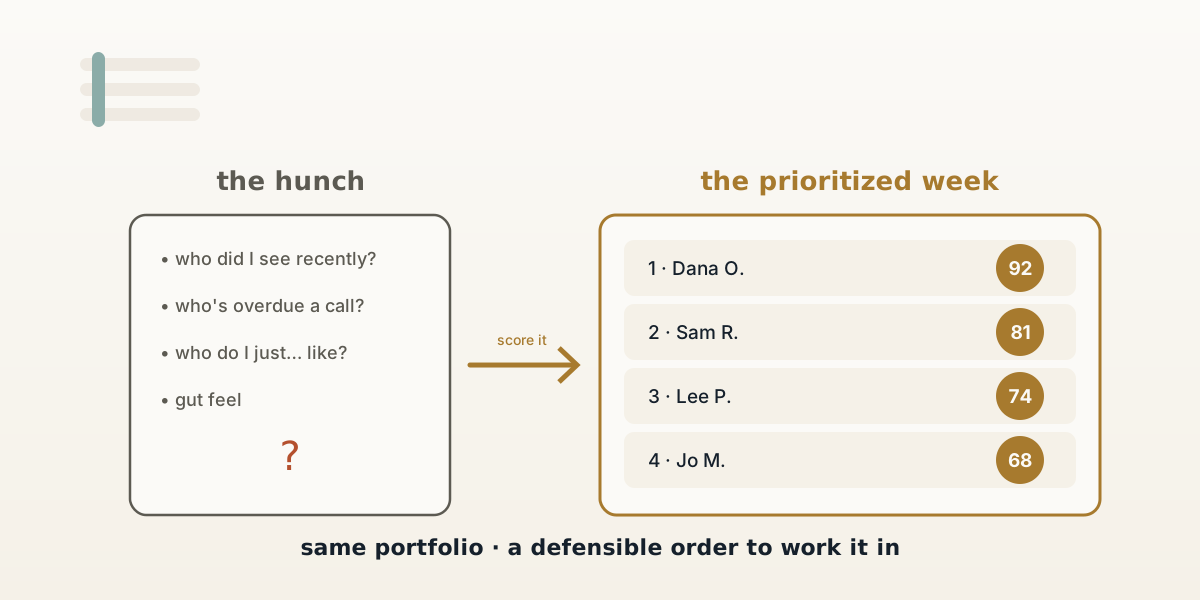
How do you prioritize a gift officer's portfolio? Replace gut feel with a transparent score built on clean, connected data, so the week's calls have a defensible order.
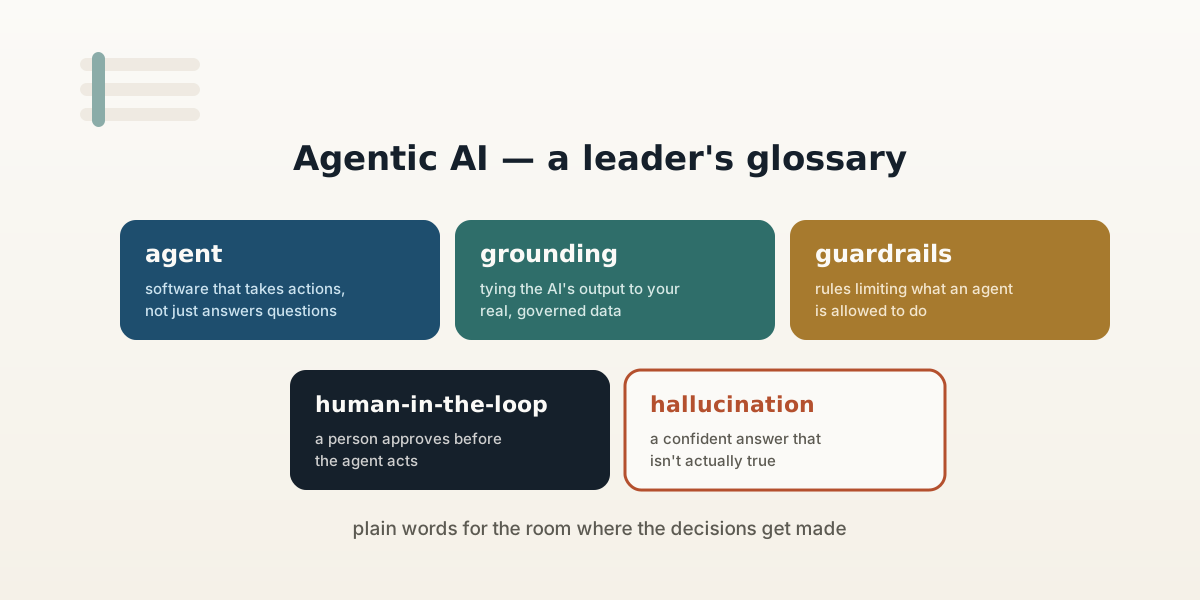
Agentic AI means software that takes actions, not just answers questions. Here's a plain-language glossary (agent, grounding, guardrails, hallucination) for fundraising leaders.
You can compare retention and giving against peers without sharing donor data: compute metrics locally, pool only aggregates. Here's how it works, step by step.
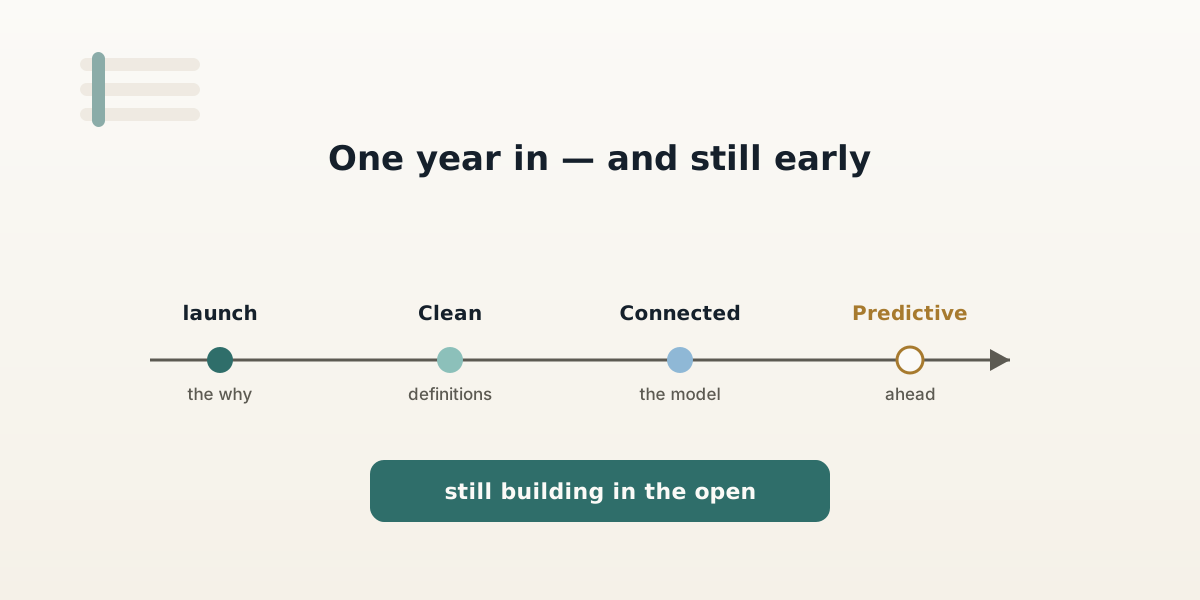
A year ago we said the sector can't learn from itself and small shops get left behind. Here's what's real, what the first year taught us, and what's still early. Honestly.
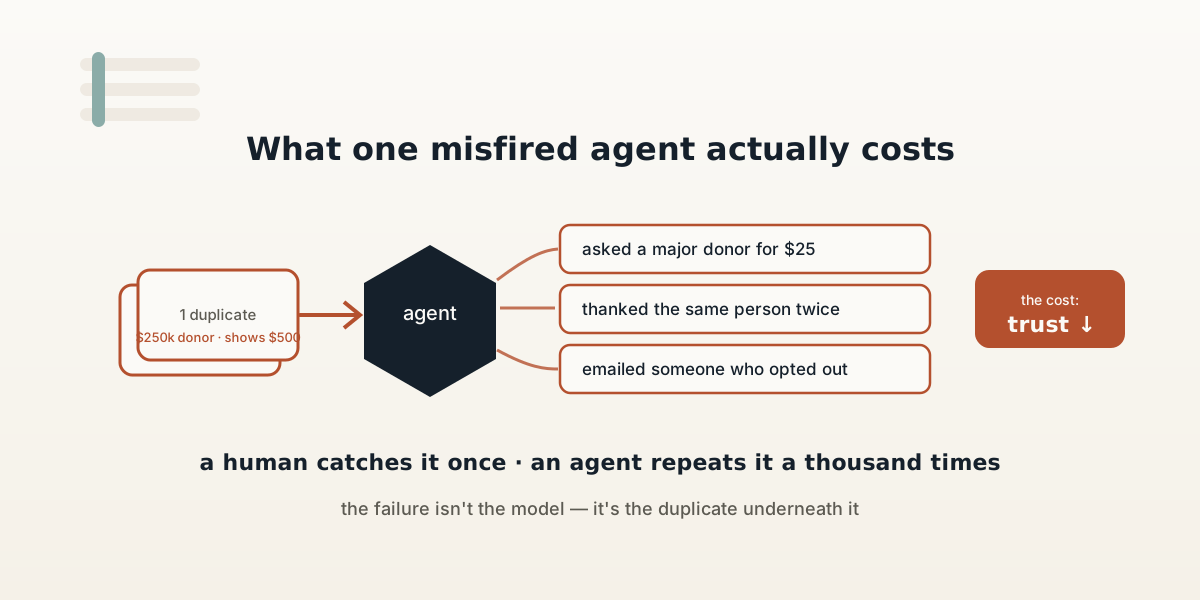
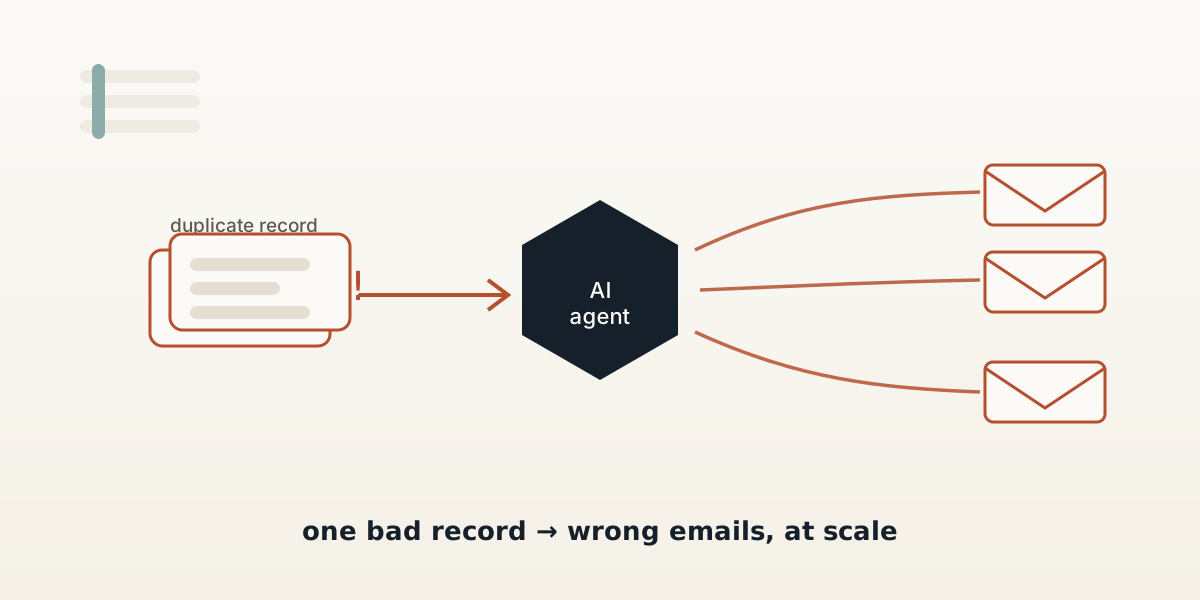
When AI runs on bad CRM data it doesn't fail quietly. It executes the error across your whole list. Here's what a single duplicate donor costs once an agent acts on it.
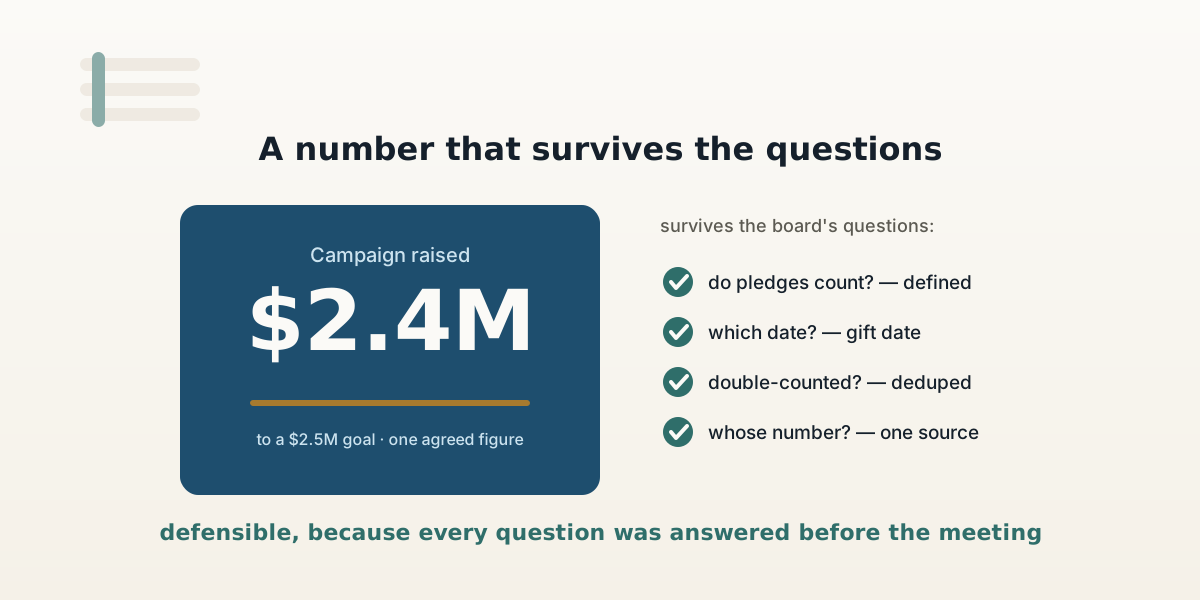
The single campaign figure you present to the board survives scrutiny only if you decided in advance what counts: pledges, which date, deduped, one source. Here's how.
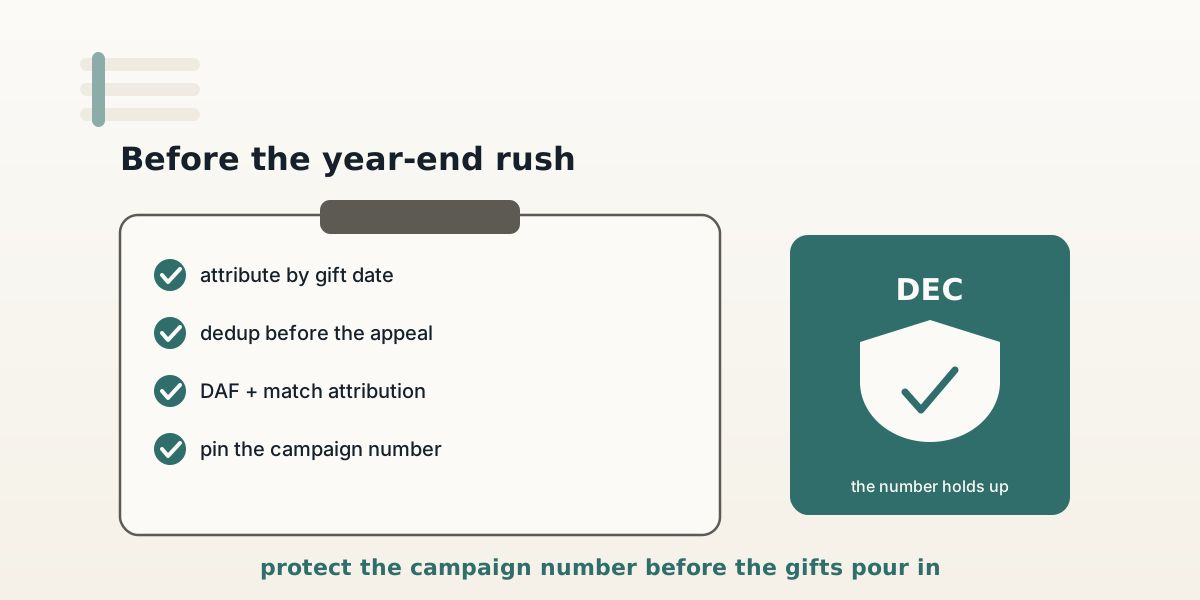
Year-end giving is a stress test for your data. A short checklist covering gift dates, dedup, DAF and match attribution, and pinned definitions keeps your campaign number trustworthy.
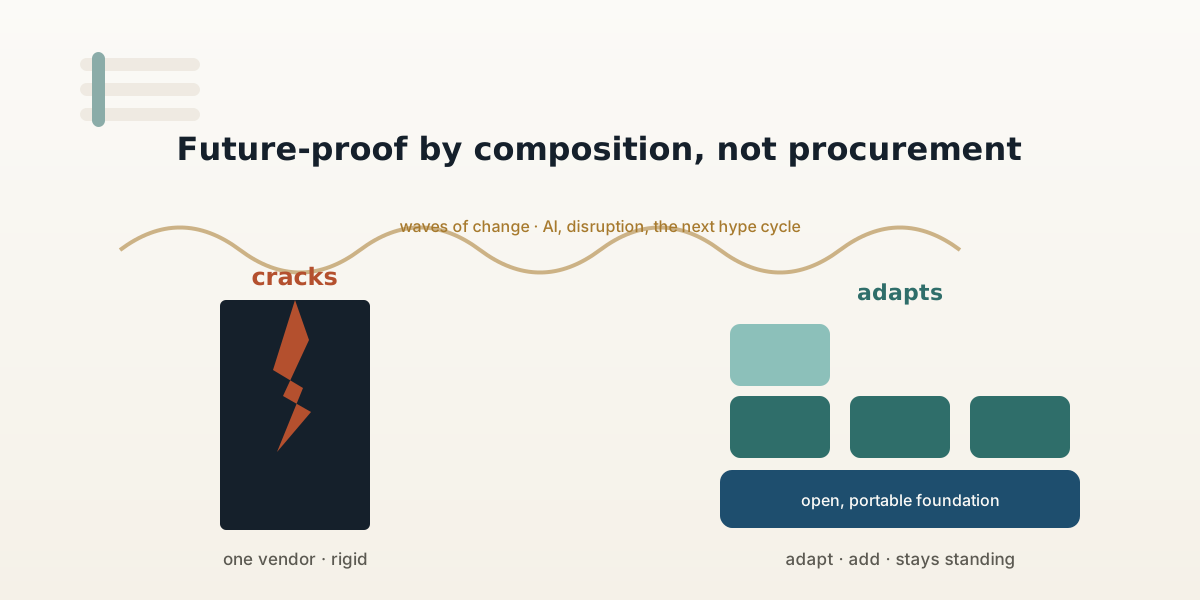
You can't predict the next disruption, so don't try to pick the platform that survives it. Future-proof by composition: an open, portable foundation that adapts. Here's how.
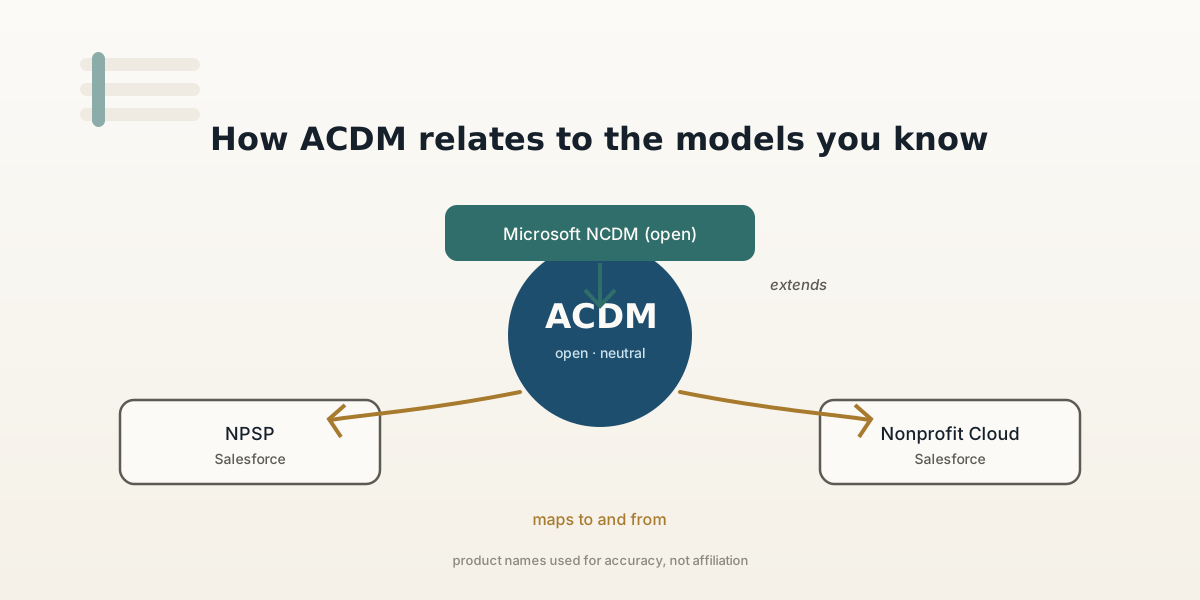
How does ACDM relate to NPSP, Salesforce Nonprofit Cloud, and Microsoft's Nonprofit Common Data Model? ACDM is a neutral layer that extends NCDM and maps to the others.
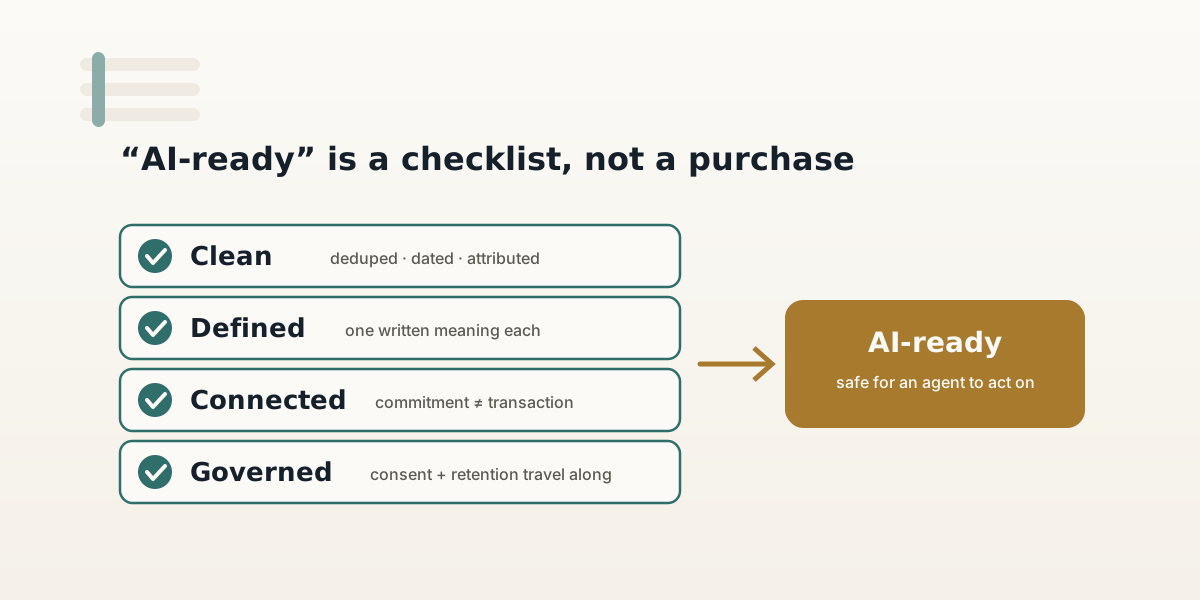
AI-ready data isn't a product you switch on. It's four properties: clean, defined, connected, governed. Here's a practical checklist to see if your data is ready for AI.
Are AI agents safe to use on donor data? Only when that data is clean and governed. An agent acting on a duplicate fails at scale. Here's what AI-readiness takes.
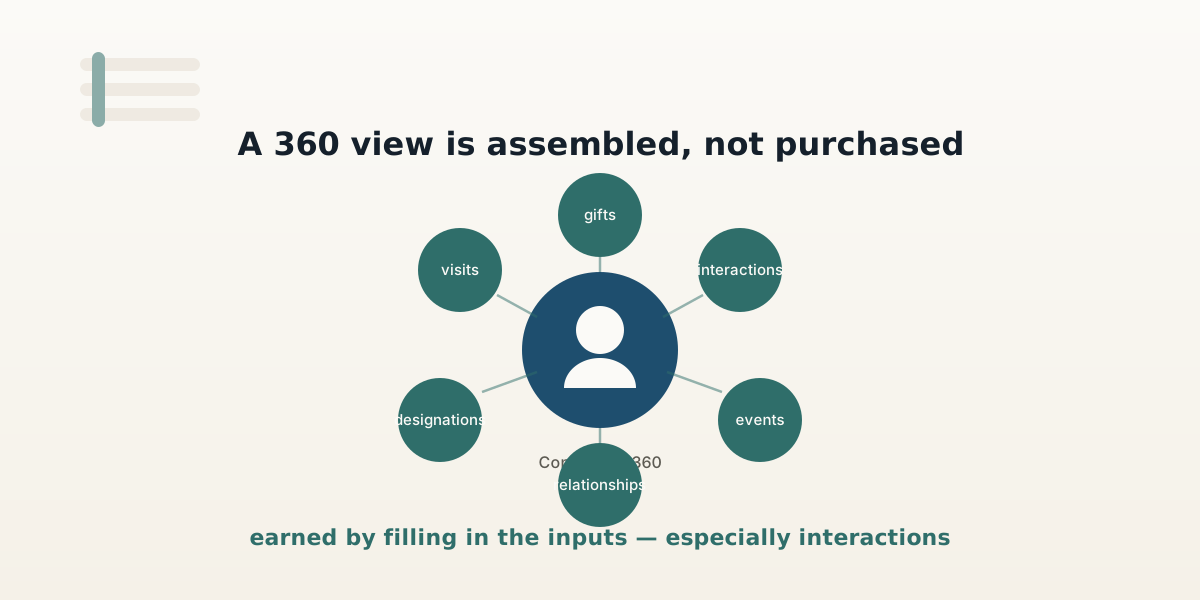
A constituent 360 view is a single, complete picture of a supporter: gifts, relationships, and interactions over time. You earn it by modeling engagement, not buying a tool.
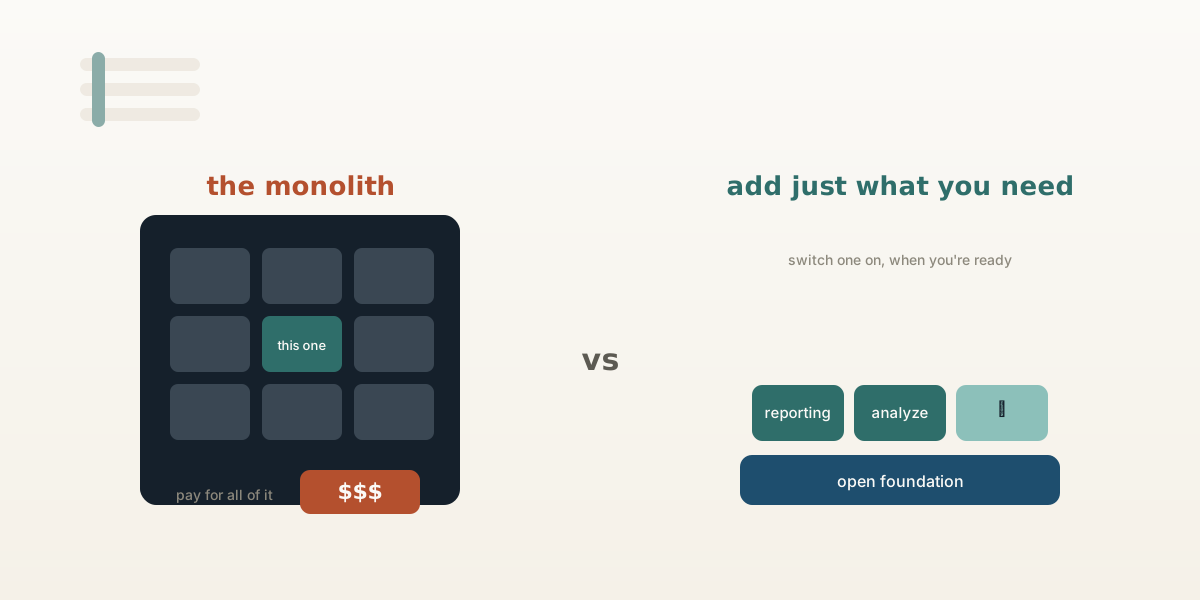
Need reporting, or a place to analyze, or AI? The usual answer is to buy a whole platform. Here's why that's the monolith trap, and how to add just the one capability.
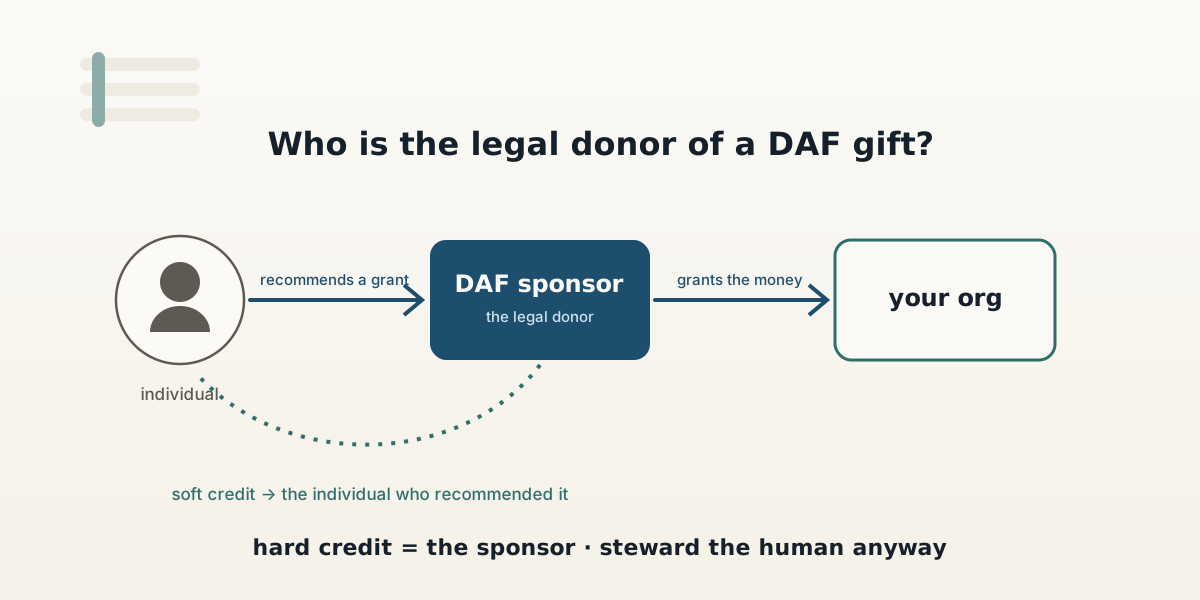
For a donor-advised fund gift, the legal donor is the fund sponsor, not the individual who recommended it. Record it backwards and receipts, totals, and stewardship break.
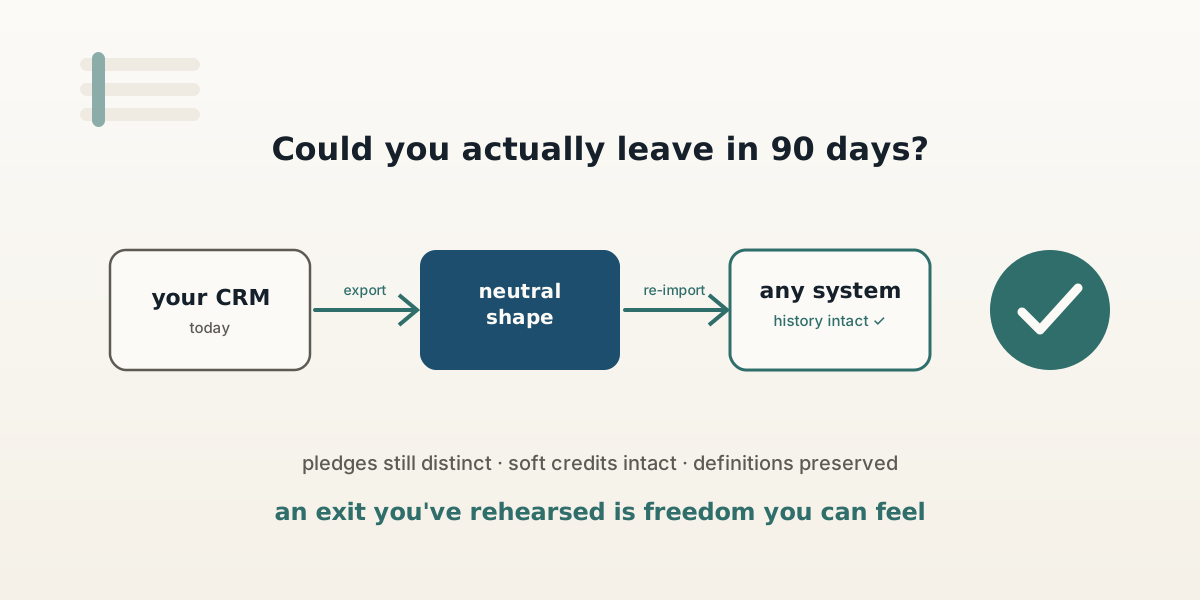
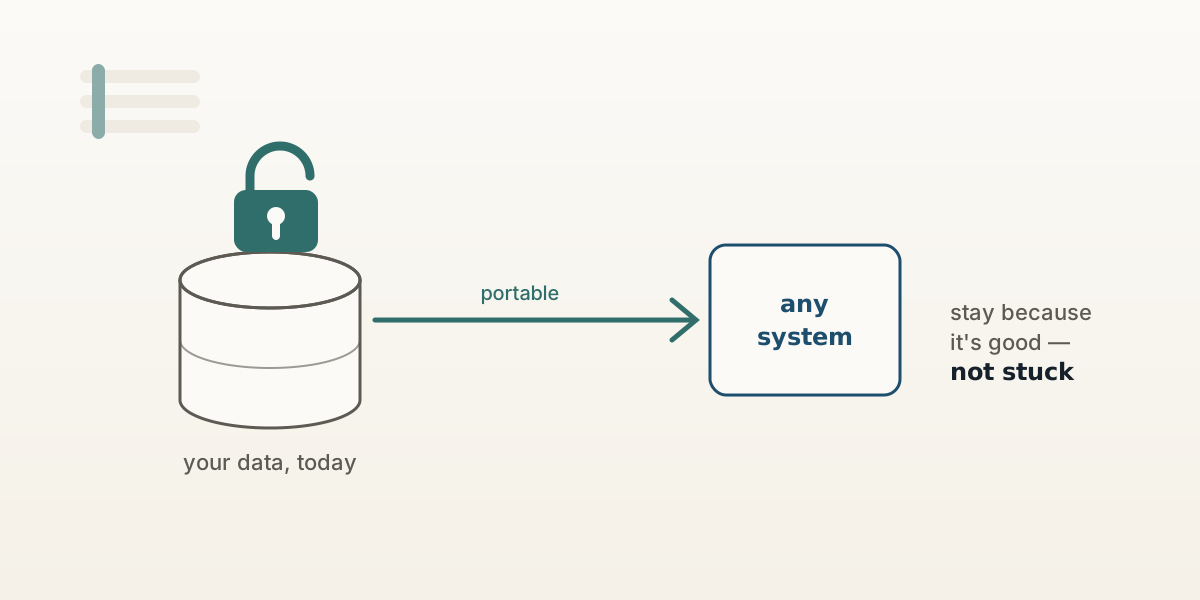
Your donor data is portable if you can move your full, meaningful history into another system and it's still true. Here's the drill that tells you, not the export button.
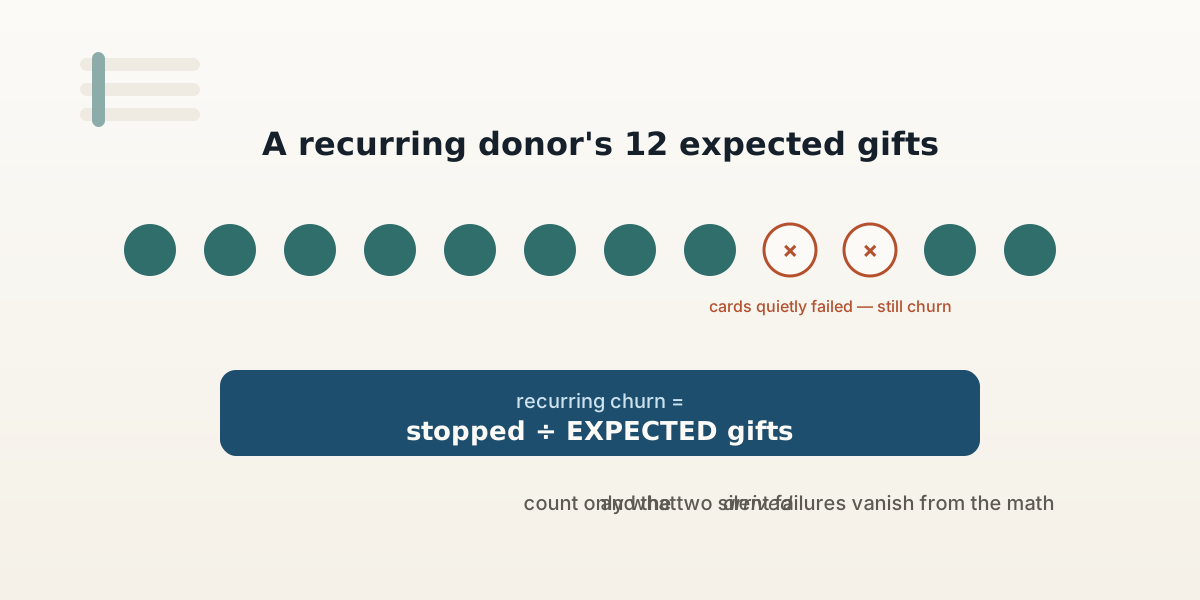
Recurring churn is the rate at which recurring commitments stop being fulfilled. Its denominator is expected gifts, not received ones. Counting only what arrived hides it.
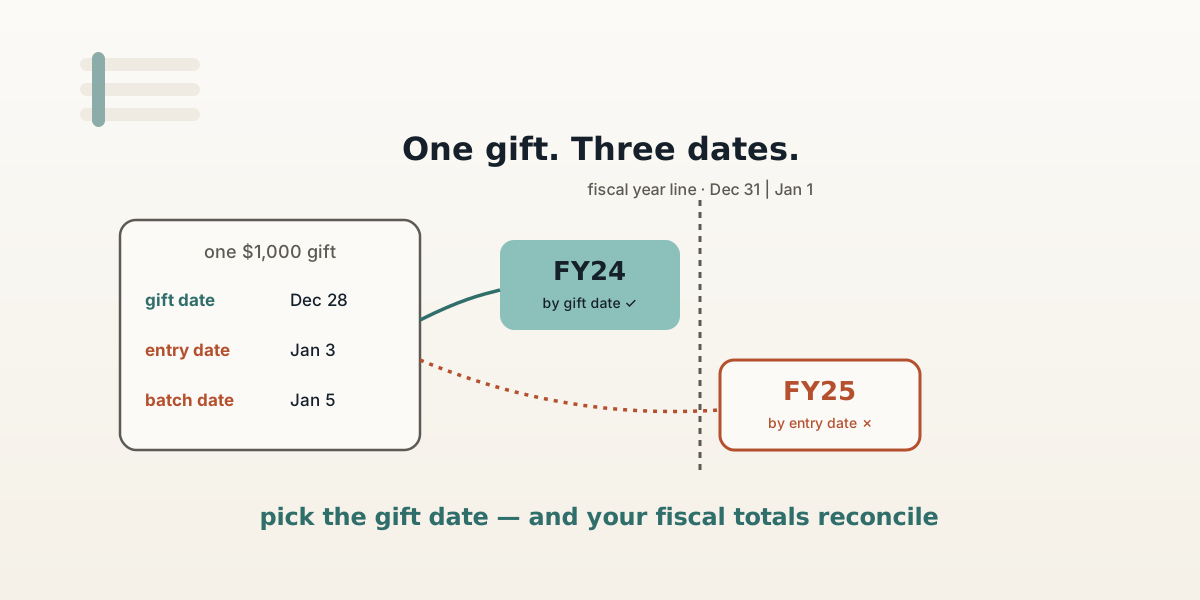
Gift date is when the donor gave; entry date when staff keyed it; batch date when it posted. Use them interchangeably and fiscal totals won't reconcile. Here's the fix.
You don't have to leave your CRM to escape lock-in. Make your data portable where it sits: map it to an open, neutral shape. Here's how, in three moves.
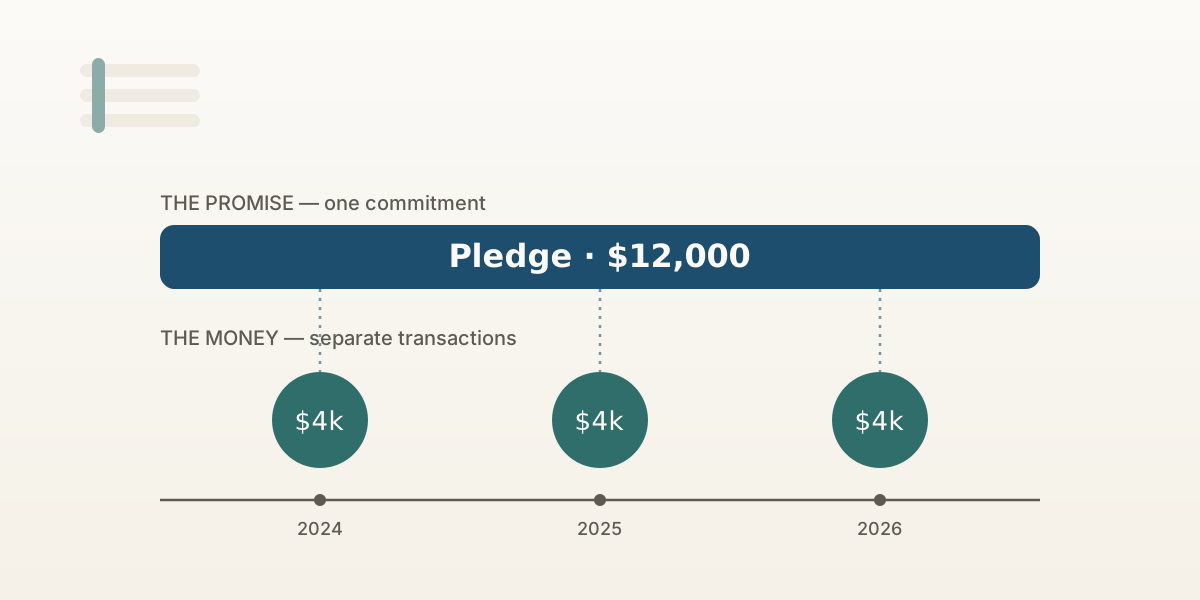
A pledge is a promise to give; a payment is the money arriving. Collapse the two and you get false lapses and missed churn. Here's the distinction that fixes it.
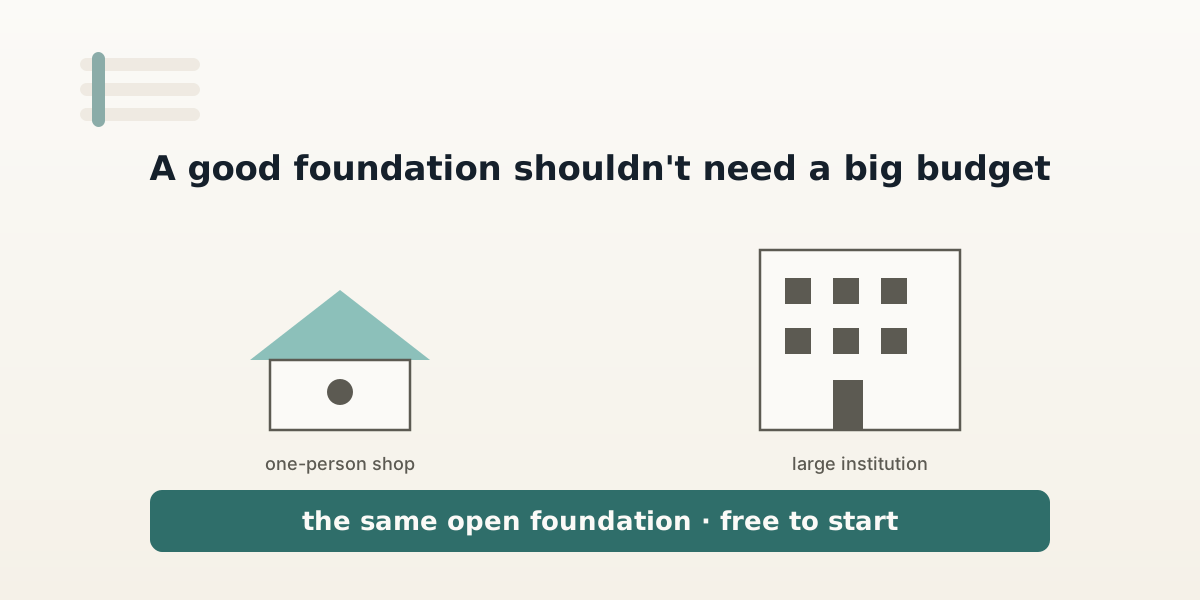
Can a small shop afford good data infrastructure? Yes. The trustworthy part is mostly discipline, not spend. Definitions, hygiene, and an open standard are free.
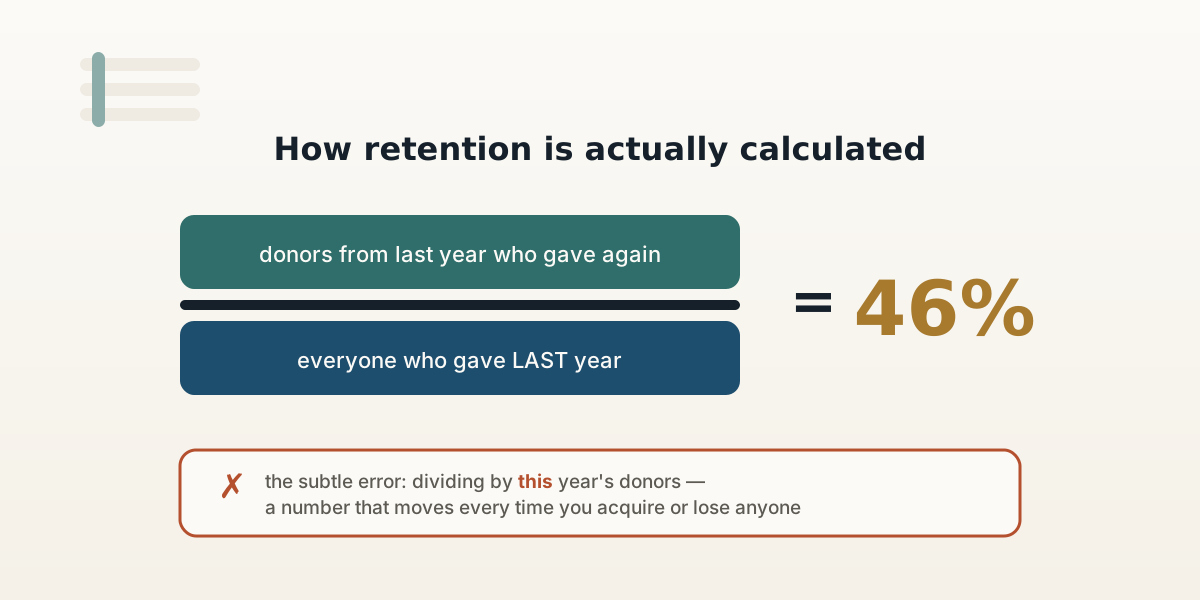
Donor retention is the share of last period's donors who gave again this period. The subtle error is the denominator: it should be last year's cohort, not this year's.
A vendor-neutral common data model is a shared, open way to describe your data that no software company owns, so records mean the same thing everywhere and can move.
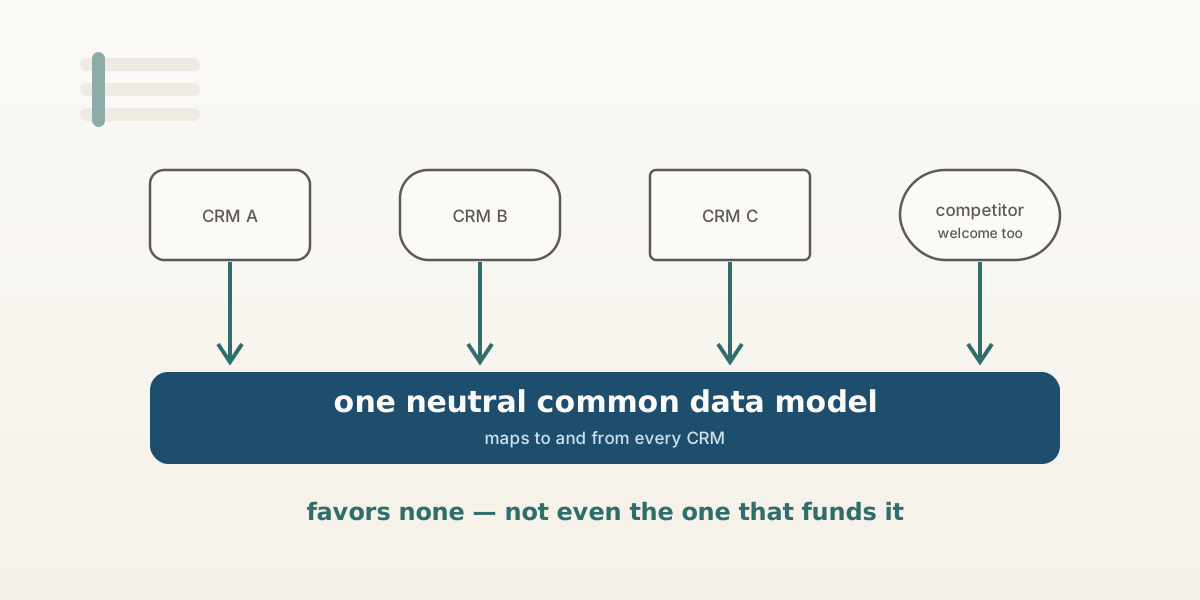
ACDM is an open, vendor-neutral way to describe fundraising data so it stays portable and comparable across CRMs. Here's what it is and what it isn't.
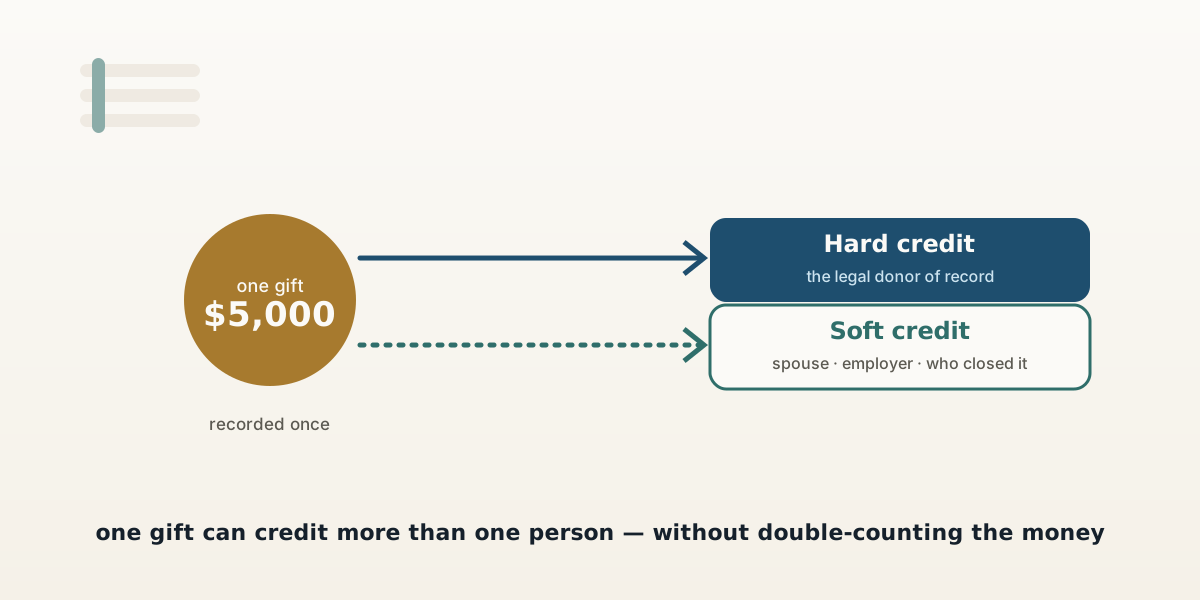
Hard credit is the legal donor of record; soft credit recognizes someone else's role in the same gift. One gift, recorded once, can credit more than one person. Here's how.
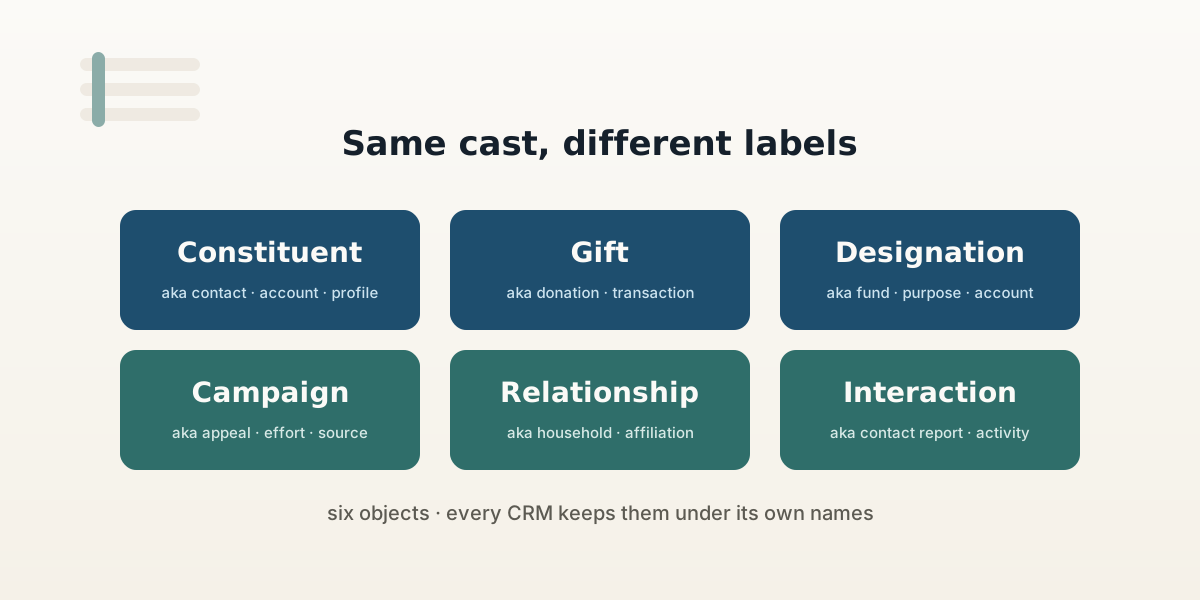
Constituent, gift, designation, campaign, relationship, interaction. Every fundraising CRM keeps the same six objects under different labels. Learn them once.
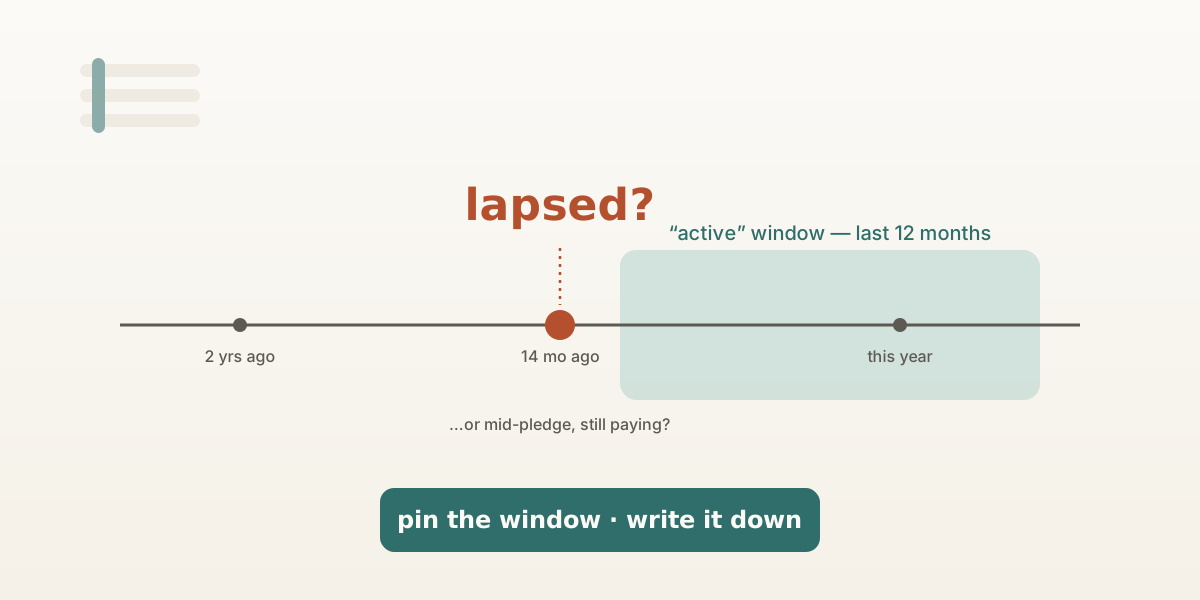
A lapsed donor gave before but not within an agreed recent window. But "lapsed" is a definition, not a flag. Pin the window, the gift types, and pledges. Here's how.
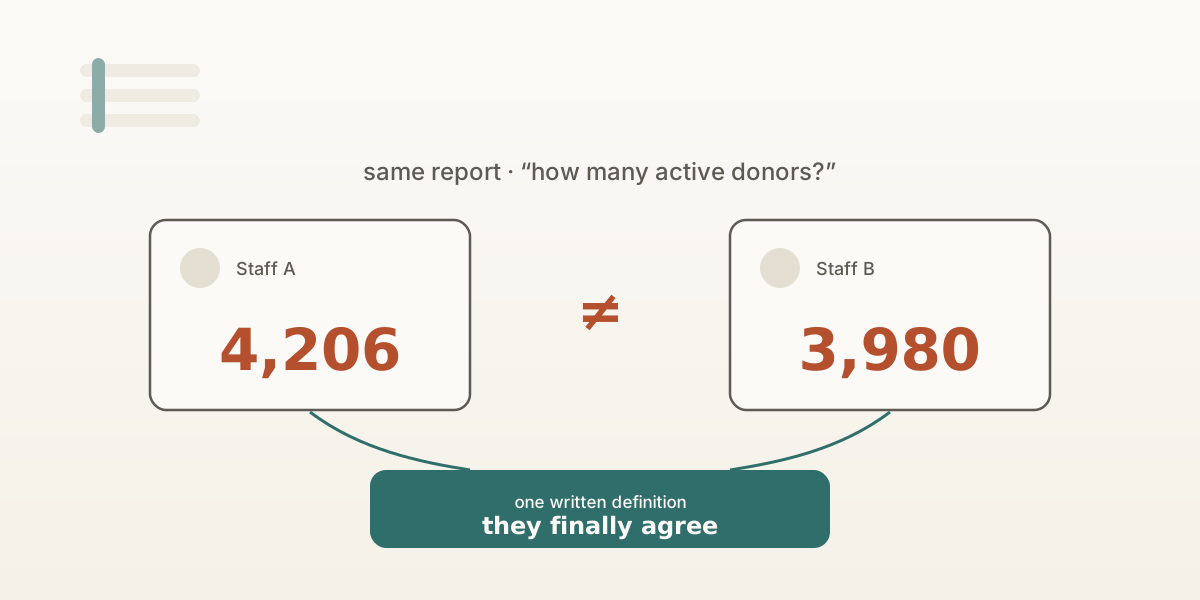
Two staff run the same report and get two numbers. The cause isn't bad data. It's undocumented definitions. Here's why fundraising reports drift, and the fix.
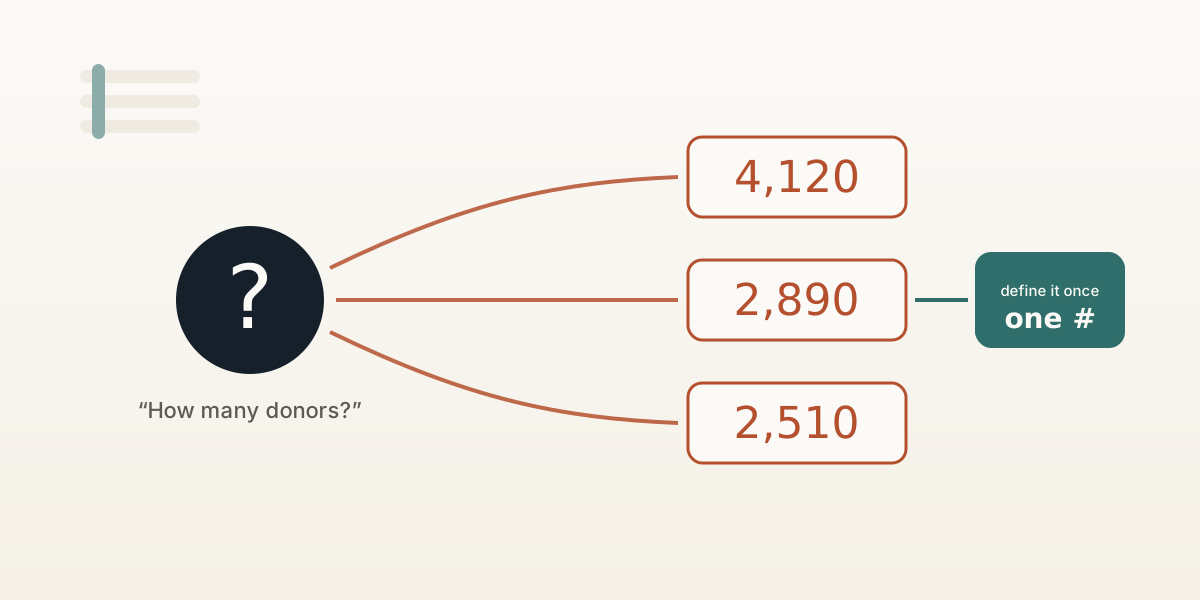
Ask three people how many donors you have and you'll get three numbers. Here's why "active donor count" drifts, and the one habit that makes it agree.
Fundraising Commons is an open, vendor-neutral data standard plus free education, so any advancement team can trust its numbers and act on them. Here's why we built it.